Leave Your Message

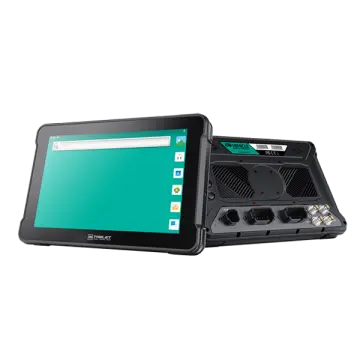
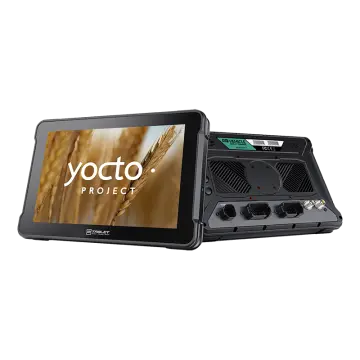
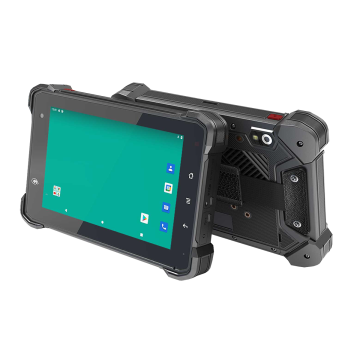
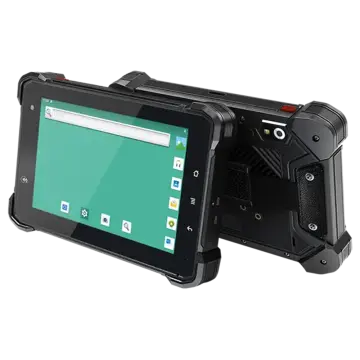
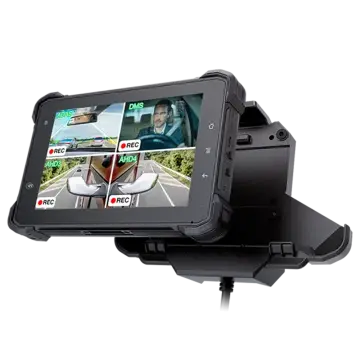
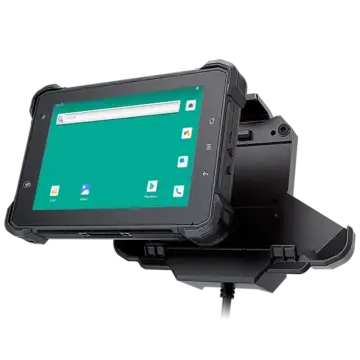
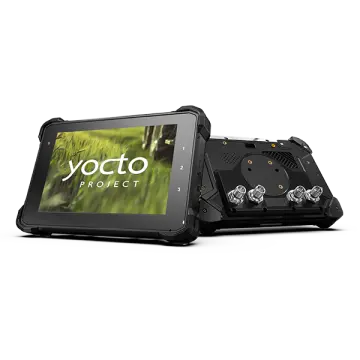
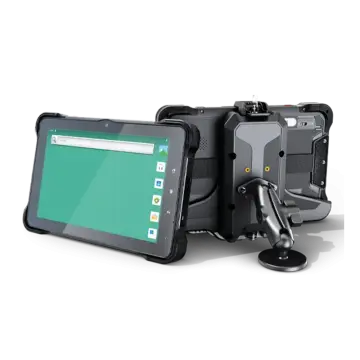
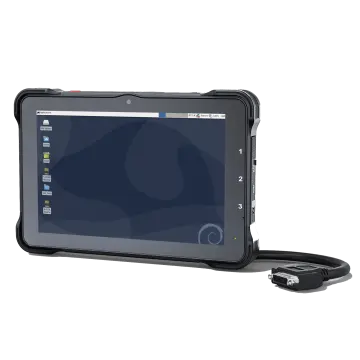
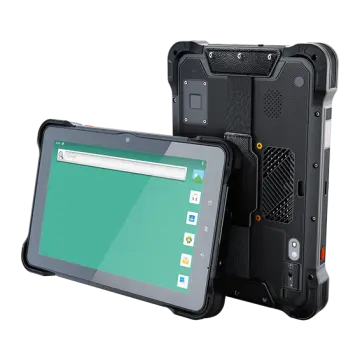
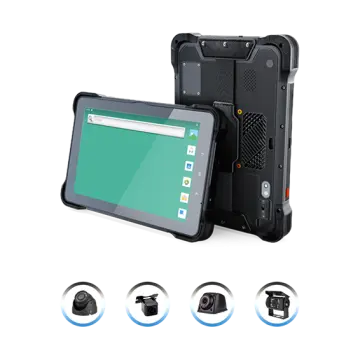
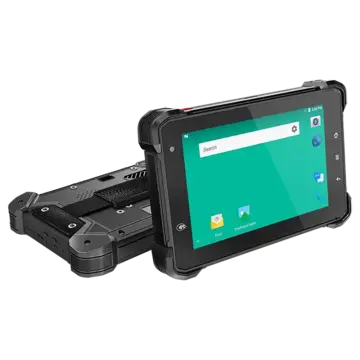
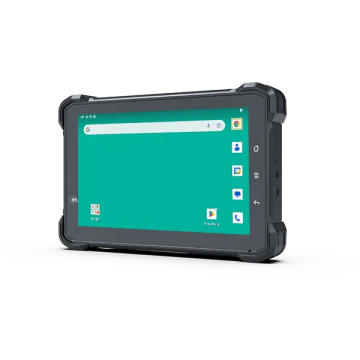
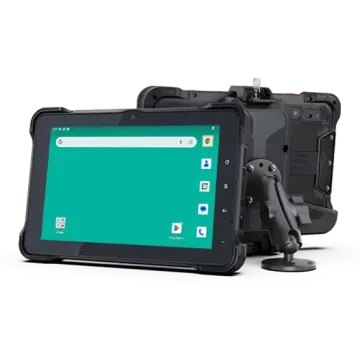
1000 Nits Vehicle Rugged Tablet Android For Autonomous Driving Test

Empowering the future of mobility with ultra-bright, military-grade telematics terminals designed specifically for the extreme demands of self-driving vehicle engineering and field testing.

Recommended Hardware for Autonomous Testing

Industrial & Commercial Status of Autonomous Driving Tests

The global automotive industry is undergoing a paradigm shift towards autonomous driving (AD) and advanced driver-assistance systems (ADAS). As vehicles transition from Level 2 (Partial Automation) to Level 4 and Level 5 (High and Full Automation), the complexity of in-vehicle testing has skyrocketed. Today's commercial and industrial landscape for autonomous driving tests requires hardware that can process massive amounts of sensor data while surviving the harsh realities of real-world road testing. This is where the 1000 Nits Vehicle Rugged Tablet Android has become an indispensable tool for automotive engineers and fleet operators.

Historically, test engineers relied on bulky, fragile consumer laptops or standard industrial PCs mounted awkwardly inside test cabins. These legacy systems suffered from severe limitations: poor visibility under direct sunlight, susceptibility to vehicle vibrations, and a lack of native integration with modern vehicle telematics. The current industrial standard demands purpose-built vehicle-mounted terminals. Android, as an open-source and highly customizable operating system, has emerged as the dominant platform for these terminals. It allows autonomous driving companies to easily deploy proprietary APKs, real-time telemetry dashboards, and edge-computing applications directly into the vehicle's cockpit.

Furthermore, the commercialization of Robotaxis, autonomous freight trucks, and automated agricultural machinery has pushed testing out of controlled laboratories and into extreme environments. Whether testing in the scorching deserts of Nevada, the freezing winters of Northern Europe, or the humid, unpredictable conditions of tropical regions, the hardware must not fail. The integration of a 1000 nits high-brightness display ensures that safety drivers and test engineers can instantly read critical system diagnostics, LiDAR point clouds, and mapping data without being blinded by glare, thereby ensuring the safety and efficiency of the testing protocol.

In-Depth Application Scenarios in Autonomous Testing

The deployment of a 1000 nits rugged Android tablet in autonomous driving tests extends far beyond simple navigation. It acts as the central nervous system for human-machine interaction during the critical phases of algorithm validation.

☀️

Real-Time Sensor Fusion Display

Autonomous vehicles rely on a complex array of LiDAR, radar, ultrasonic sensors, and high-definition cameras. Test engineers require a centralized dashboard to monitor the "sensor fusion" process in real-time. The 1000 nits display ensures that even under the brightest midday sun, the intricate details of object detection bounding boxes, lane tracking algorithms, and point cloud visualizations remain crystal clear to the operator.

🛡️

Safety Override & System Monitoring

During Level 3 and Level 4 testing, a human safety driver must remain vigilant and ready to take control. The rugged Android tablet serves as the primary interface for system health monitoring. Through customized CAN-bus and OBD-II integrations, the tablet displays real-time latency, CPU load of the autonomous computing unit, and battery thermals. If an anomaly is detected, the tactile, responsive touchscreen allows for immediate manual override protocols.

📡

V2X Communication & Edge Computing

Vehicle-to-Everything (V2X) testing is a cornerstone of modern autonomous driving. Rugged Android tablets equipped with advanced telematics modules act as edge computing nodes. They interface with intelligent traffic lights, smart infrastructure, and other test vehicles. The tablet processes these incoming V2X signals, allowing engineers to validate how the vehicle's path-planning algorithms adjust to external infrastructure data in real-time.

Harsh Environment Field Testing & Data Logging

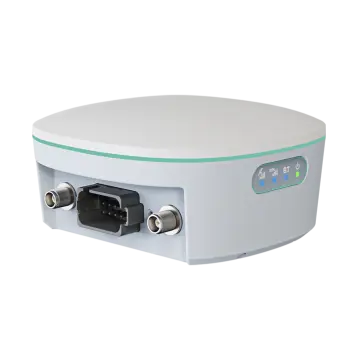
Durability is non-negotiable. Autonomous driving algorithms must be tested on unpaved roads, construction zones, and off-road agricultural fields. A standard consumer tablet would fail under the intense vibration and shock generated by these environments. The rugged vehicle-mounted tablet, built to IP67 or IP69K standards, is impervious to dust ingress, heavy rain, and extreme temperature fluctuations. Integrated with high-precision RTK (Real-Time Kinematic) GNSS modules, the tablet logs centimeter-level positioning data synchronized with vehicle telemetry, providing data scientists back at the lab with perfectly aligned datasets for machine learning model refinement.

Development Trends & Future Prospects

As the autonomous driving industry matures, the specifications and capabilities of in-vehicle rugged tablets are evolving rapidly. Understanding these trends is crucial for fleet managers and automotive engineers planning their next-generation test rigs.

1. Integration of Edge AI Processing: Future rugged tablets will not merely display data; they will process it. We are seeing a trend towards incorporating dedicated Neural Processing Units (NPUs) directly into the tablet hardware. This allows the tablet to run lightweight machine learning models locally—such as driver fatigue monitoring (DMS) or secondary visual validation of road signs—without taxing the vehicle's primary autonomous driving computer.

2. 5G and 6G Telematics Integration: The sheer volume of data generated during an autonomous driving test is staggering. While physical hard drives are still used for raw data logging, there is a massive push towards real-time over-the-air (OTA) monitoring. Rugged tablets are increasingly being equipped with ultra-low latency 5G modules, enabling test engineers to stream high-definition video feeds and critical telemetry directly to remote command centers, facilitating instant algorithmic adjustments and OTA software updates.

3. Enhanced Optical Bonding and Display Tech: While 1000 nits is the current gold standard for sunlight readability, future iterations are moving towards 1200+ nits with advanced anti-glare (AG) and anti-reflective (AR) optical bonding. This completely eliminates the air gap between the touch panel and the LCD, reducing internal reflections and ensuring zero parallax errors when engineers interact with complex testing software interfaces.

4. Seamless Docking and Modularity: Test vehicles are expensive, and hardware needs to be swapped quickly. The trend is shifting towards highly reliable, lockable docking stations with rich I/O ports (RS232, RJ45, CAN bus, GPIO). This allows a single rugged tablet to be instantly moved from a Robotaxi test car to a heavy-duty autonomous mining truck, automatically adapting to the vehicle's specific telemetry protocols upon docking.

3Rtablet is a globally leading rugged tablet manufacturer

Technology-based, market-oriented, innovative enterprise that develops and manufactures rugged Internet of Vehicles (IOV) terminals and IOT system solutions. With more than 18 years of professional experience, 3Rtablet has cooperated with many top brand telematics solution providers around the world, and the products are widely recognized for their stable performance and professional technical support.

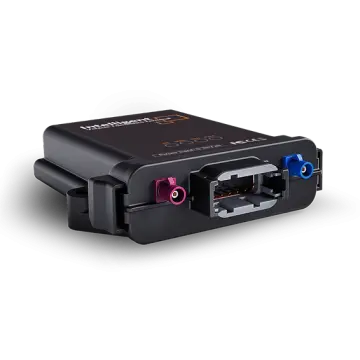
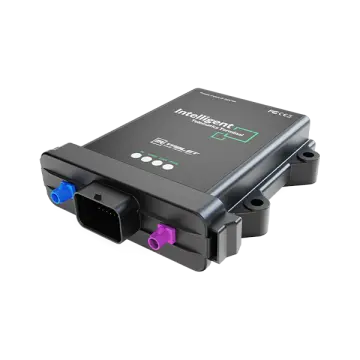
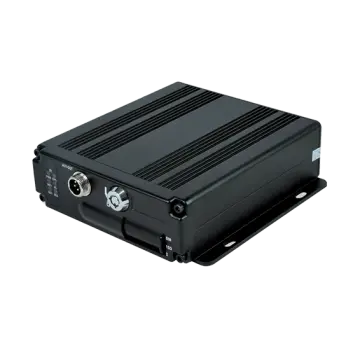
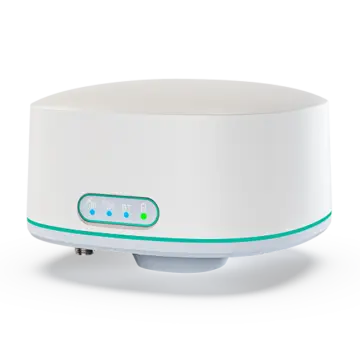
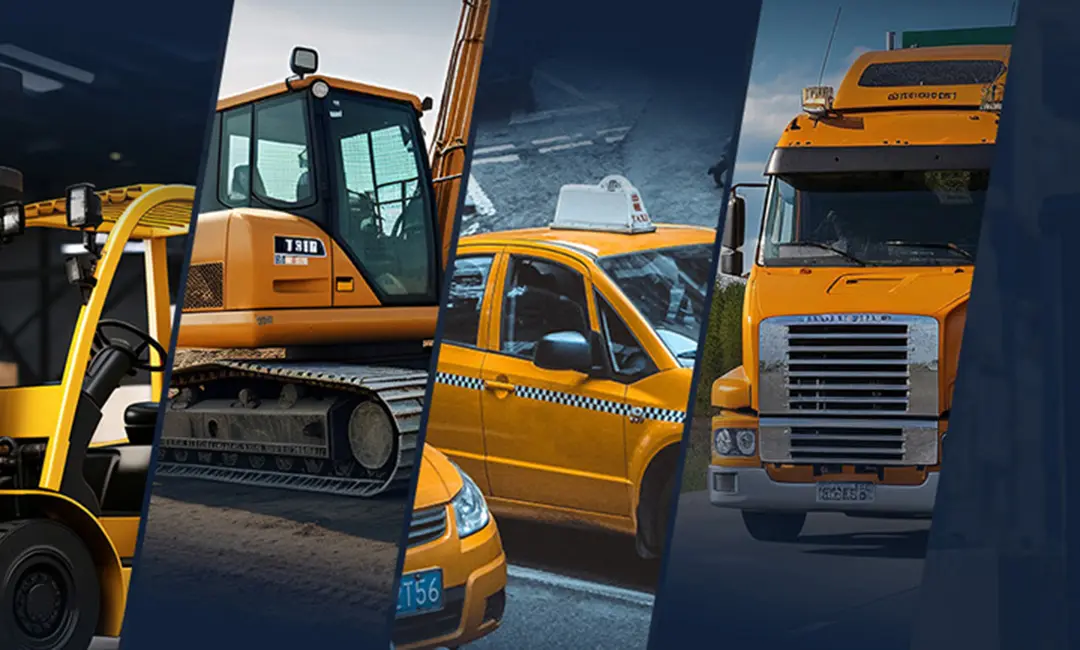
The main products include IP67 rugged tablets, MDM Rugged Device, Intelligent Vehicle Telematics Terminal, and RTK Base Station and Receiver, On-board Computers, Mobile Data Terminal, Agriculture display, Vehicle-mounted Tablets, AHD Camera Integrated Tablets, IP67/IP69K Android telematics boxes, MDVR and Al Dashcam. Al algorithmic vehicle video surveillance and recording technology and comprehensive loT solutions for a wide range of fleet management application, including ELD/HOS in trucks, construction equipment, mining, forklift safety, taxi dispatch, agriculture precision, intelligent transportation systems, etc. Offering OEM/ODM services, we customize products to meet specific needs.

About 3Rtablet

18 years

Of production Experience

Our Advantage

3Rtablet R&D team with more than 18 years field experience to do technical support, and has been ready to support you in building professional solutions in specific markets.

Regions We Serve

Regions We Serve

3Rtablet has served customers among more than 70 countries in the North America, Europe, Latin America, Oceania, Africa, and the Asia Pacific region.

Industries We Related

Industries We Related

Fleet Management, Precision Agriculture, Mining, Taxi Dispatch, Forklift Safety, Construction, Public Transportation, Heavy Machinery & Trucks, Crane, Waste management, Vehicle tracking’s and Emergency Response Solutions etc.

Service We Provide

Service We Provide

3Rtablet's Hardware devices are mainly powered by NXP, Qualcomm, TI solutions, Functional requirements, Hardware test-bed evaluation, Schematic diagram design, Brand requirements for more requirements, please refer to OEM/ODM service.

Our Value

3Rtablet follows innovative technologies, complete solutions, friendly products, excellent quality, and professional services to continuously improve product quality and customer satisfaction, delivering customers with Rugged, Reliable, and Ready Internet of Vehicle (IOV) devices. 3Rtablet has three core values at the heart of its operation: We are ‘Sincere’, we ‘Share’ and always strive for ‘Success’ with our business partners.

Comprehensive Hardware Solutions for ADAS & Autonomous Fleets