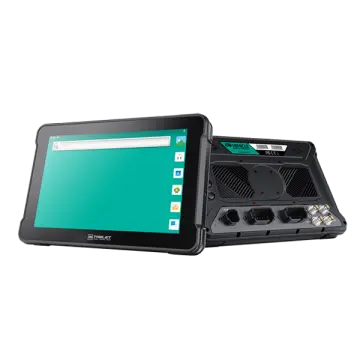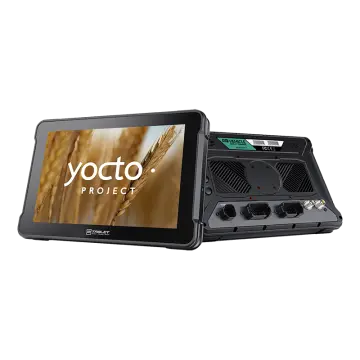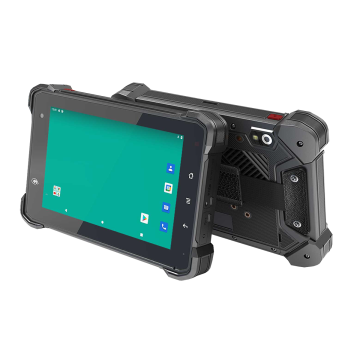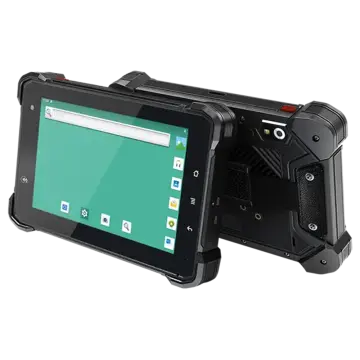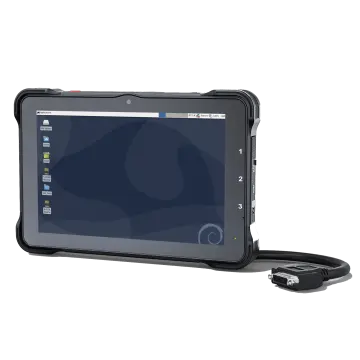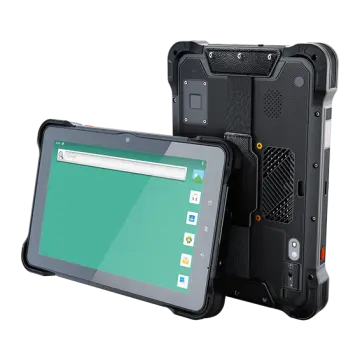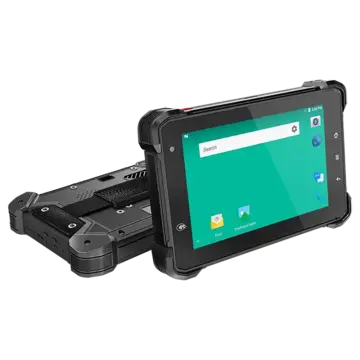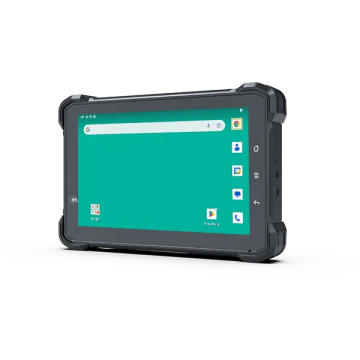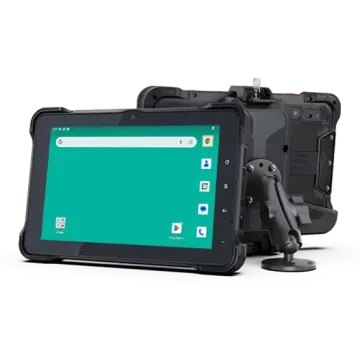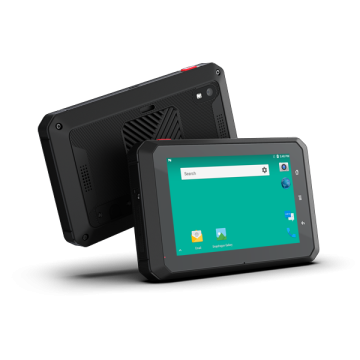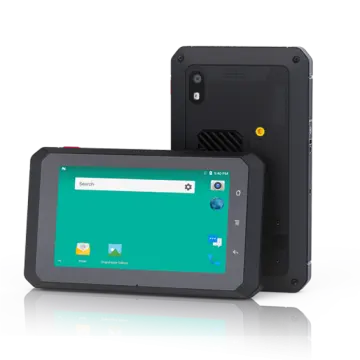
Engineered to endure severe vibration, dust, extreme temperature swings, and chemical washdowns in refuse collection vehicles.
How ruggedized Android hardware and intelligent IoT systems are overcoming environmental and operational hurdles in modern municipal sanitation.
The global waste management and recycling sector is undergoing an unprecedented digital overhaul. Municipal authorities, private refuse contractors, and environmental services providers face mounting pressures: escalating fuel costs, stringent carbon-emission regulations, acute driver shortages, and heightened public demands for service transparency. Traditional pen-and-paper manifest logging and consumer-grade navigation devices can no longer withstand the grueling physical conditions of sanitation trucks or provide the dynamic data required for modern smart city logistics.
Modern refuse collection vehicles—ranging from front-loaders, side-loaders, and rear-compactors to roll-off container trucks and street sweepers—operate in harsh environments characterized by continuous mechanical shock, intense engine vibration, pervasive organic dust, extreme moisture, and corrosive leachate washes. To operate effectively, fleet managers require an Android Industrial Grade Tablet PC for Waste Management that serves as the central intelligent brain of the vehicle, linking the driver, on-board weighing systems, hydraulic lifters, RFID tag readers, multi-angle blind-spot cameras, and cloud-based dispatch headquarters.
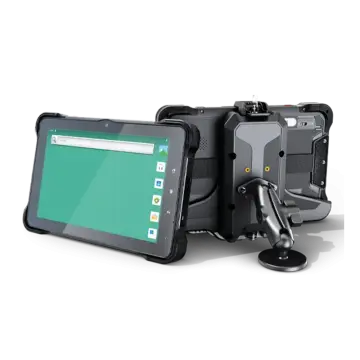
Fully sealed against water, airborne dust, and high-pressure washing. Built with military-standard shock and vibration resistance to endure severe cab conditions.
Direct vehicle bus interfacing facilitates continuous telemetry of hydraulic pressure, PTO engagement, fuel burn rates, tire pressure, and engine diagnostics.
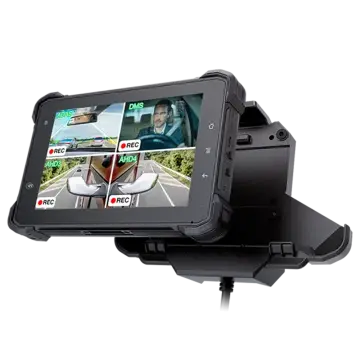
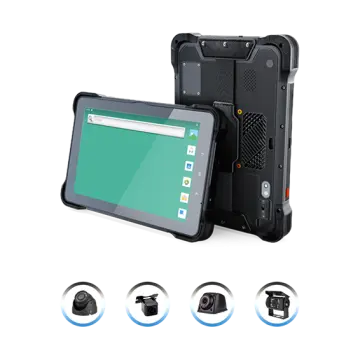
Supports multi-channel high-definition cameras for 360-degree blind spot monitoring, hopper fill inspection, driver fatigue detection, and bin alignment.
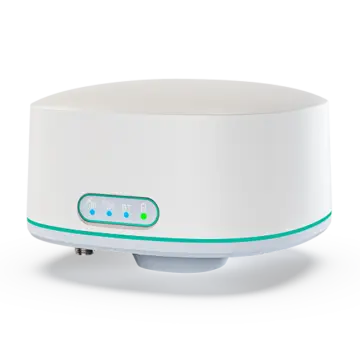
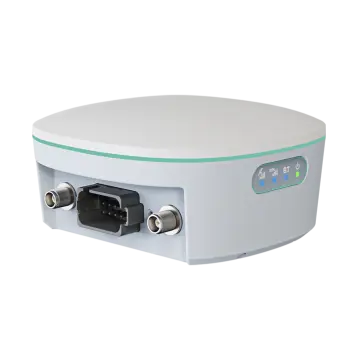
Sub-meter accurate satellite positioning ensures flawless turn-by-turn navigation in dense urban canyons, automated bin geofencing, and missed-pickup auditing.
Seamlessly interfaces with UHF RFID readers to verify waste bin serial numbers, track container ownership, prevent theft, and log volume billing accurately.
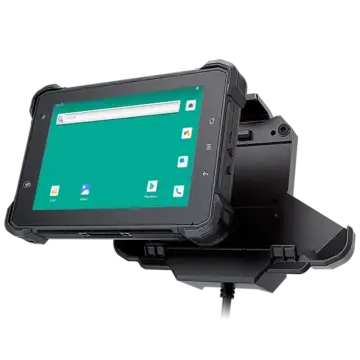
Open Android OS architecture supports custom waste logistics ERP apps, Google Mobile Services (GMS), and centralized Mobile Device Management for remote firmware updates.
Explore real-world operational workflows where industrial tablets create actionable intelligence and tangible return on investment.
In residential waste collection, static paper routes lead to wasted fuel, excessive idle time, and frequent customer complaints. Mounted inside the cab on a heavy-duty locking cradle, an Android industrial tablet running municipal GIS dispatch software recalculates collection sequences in real-time based on traffic congestion, road closures, and bin telemetry. Integrated with RTK-enhanced GNSS, the system automatically checks off addresses as the truck empties each container. If a bin is blocked by a parked vehicle or contaminated with prohibited materials, the driver can tap the screen, capture a high-resolution timestamped photo via connected AHD cameras, and automatically notify both dispatch and the resident.
Municipalities transitioning to Pay-As-You-Throw (PAYT) billing structures rely on industrial tablets connected via RS232/CAN-Bus to bin lift load cells and UHF RFID antennas. As the hydraulic arm hoists a residential or commercial waste cart, the RFID tag is scanned in milliseconds and its gross/tare weight is recorded. The Android tablet processes the payload differential, assigns the fee to the municipal account, and uploads the transactional proof via 4G/5G LTE cellular networks to billing servers without requiring manual driver intervention.
Roll-off skip and dumpster operations require rigorous asset tracking to prevent loss and streamline delivery/haul cycles. Android industrial grade tablets provide turn-by-turn heavy vehicle navigation tailored for truck height and weight restrictions. When dropping or picking up heavy construction bins, drivers record serial numbers, digital customer signatures, and site delivery coordinates on the ultra-bright, glove-touch capacitive display. Real-time fleet synchronization prevents container hoarding and eliminates costly deadhead mileage.
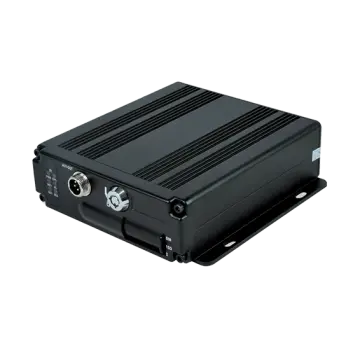
Refuse collection trucks frequently navigate tight alleys, school zones, and crowded urban sidewalks where blind spots pose severe safety risks. Outfitted with 4-channel AHD inputs, our Android vehicle tablets function as unified MDVR display consoles. Integrated AI edge vision algorithms detect pedestrians, cyclists, and obstacles in real-time, triggering audible and visual cab warnings before an incident occurs. Video feeds can be recorded locally and streamed to central control for liability dispute resolution and insurance reduction.
The evolution towards autonomous sanitation, AI-powered contamination sorting, and green fleet electrifications.
The future of sanitation infrastructure lies at the nexus of artificial intelligence, high-speed telematics, and electrification. As waste management organizations transition toward zero-emission battery electric refuse trucks (e-RVs), on-board industrial tablets will play a pivotal role in monitoring high-voltage battery health, regenerative braking metrics, and optimal charging scheduling.
Furthermore, machine vision models deployed directly onto neural processing unit (NPU)-enabled industrial tablets will automatically analyze hopper video feeds to identify recycling stream contamination (e.g., lithium batteries or hazardous plastics in compost/paper bins) in real time. By identifying contaminants at the curb rather than the material recovery facility (MRF), cities save millions of dollars annually in sorting equipment damages and disposal penalties.
3Rtablet R&D team with more than 18 years field experience to do technical support, and has been ready to support you in building professional solutions in specific markets.


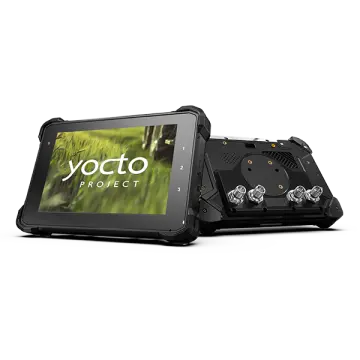
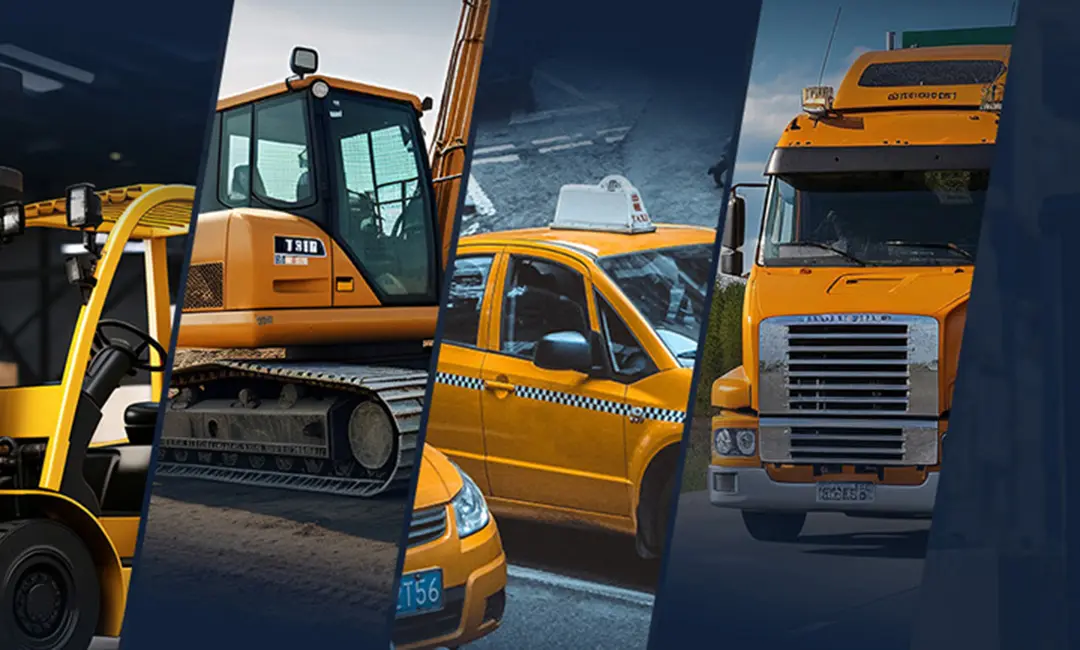
Versatile, ruggedized Android and Linux terminals designed for heavy machinery, waste trucks, logistics fleets, and industrial vehicles.