2026 Best Rugged Tablet PC for Global Buyers to Consider?
In today's dynamic technology landscape, the demand for Rugged Tablet PCs is surging. According to a recent report by Global Market Insights, the rugged tablet market is projected to exceed $6 billion by 2026. This growth is driven by the increasing need for robust, durable devices in industries such as construction, public safety, and logistics.
Rugged Tablet PCs are specifically designed to withstand extreme conditions. They offer resistance to water, dust, and drops. A study from TechNavio indicates that these devices have a failure rate that is significantly lower than traditional tablets. This reliability is essential in environments where standard devices can easily fail.
However, not all rugged tablets are created equal. Buyers often face challenges in identifying the features that best meet their needs. Battery life, screen visibility, and processing power can vary widely among models. It's crucial to assess these factors carefully to avoid costly mistakes. Exploring the best options for 2026 means understanding both the capabilities and limitations of different rugged tablets on the market.
Overview of Rugged Tablets: Definition and Key Features
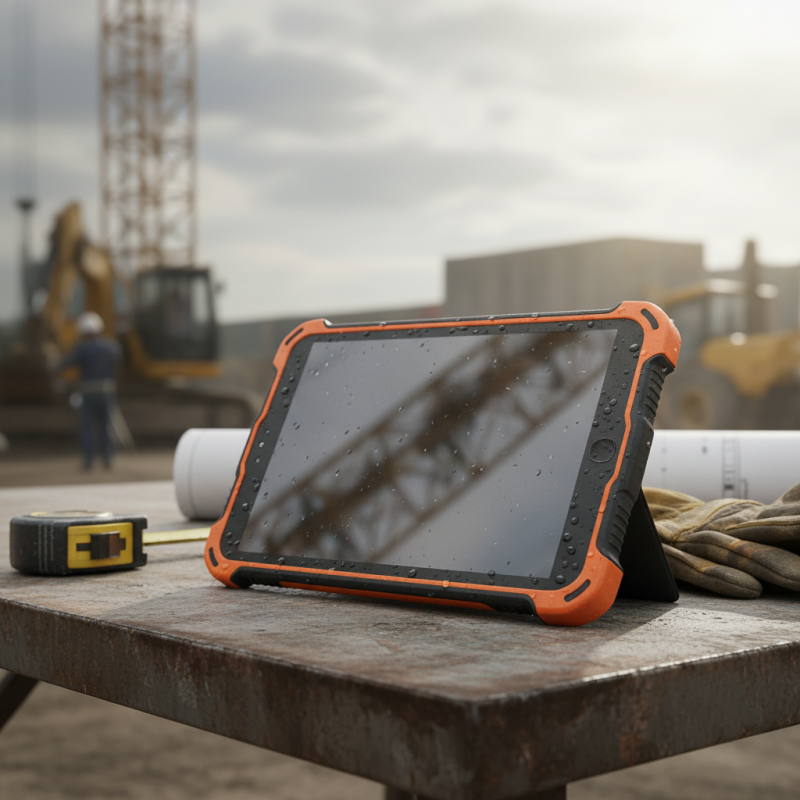
Rugged tablets are designed to withstand harsh conditions. These devices are built for durability, making them ideal for outdoor work. They often feature reinforced screens and sturdy casings. Water and dust resistance are standard. This means they can handle accidental spills or being exposed to the elements.
Key features of rugged tablets include long battery life and extreme temperature tolerance. Many models work in freezing or high-heat environments. This is essential for industries like construction and manufacturing. Moreover, they frequently offer enhanced connectivity options. Features like GPS, 4G, or even 5G support improve usability in remote locations.
While rugged tablets excel in design and performance, they are not flawless. Some may lack the sharp display quality found in traditional tablets. Others might feel heavier due to the robust materials used. Buyers should consider their specific needs before choosing. Analyzing the weight versus durability could improve overall satisfaction.
Top Rugged Tablets in 2026: A Comparative Analysis
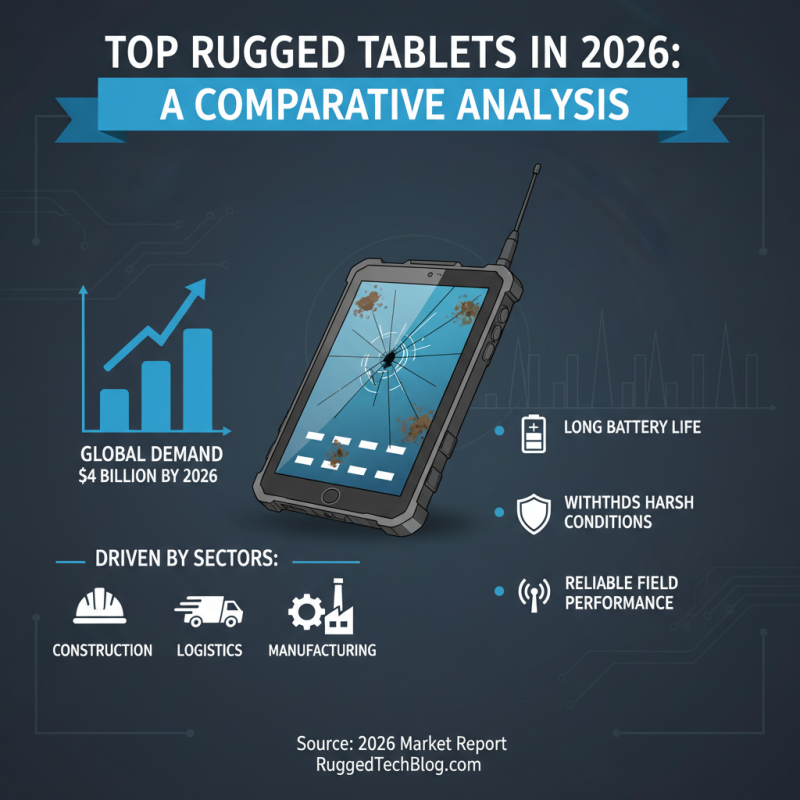
In 2026, rugged tablets continue to evolve, responding to the needs of diverse industries. A recent market report suggests that global demand for rugged tablets will surpass $4 billion by 2026, driven by sectors like construction and logistics. These tablets must withstand harsh conditions, offer long battery life, and provide reliable performance in the field.
When analyzing top rugged tablets, several key features emerge. Improved displays are notably brighter and easier to read outdoors. The latest models also incorporate advanced connectivity features, including 5G capabilities, crucial for real-time data exchange. However, not all tablets perform equally well under extreme temperatures or wet conditions. Some models claim IP68 ratings yet fail in practical tests, leading buyers to reflect on their choices.
Battery efficiency is another critical area for comparison. A staggering 30% of users report dissatisfaction with battery longevity, particularly in high-demand scenarios. This inconsistency leaves room for improvement. Companies should be aware of these consumer concerns and consider conducting thorough in-field testing. Overall, the rugged tablet market promises innovation, but buyers must remain vigilant in their assessment.
Factors to Consider When Choosing a Rugged Tablet
When choosing a rugged tablet, several critical factors come into play.
Durability is paramount, especially for use in harsh environments.
According to a recent report by MarketsandMarkets, the rugged tablet market is expected to grow to $1.89 billion by 2026,
reflecting the increasing need for devices that withstand extreme conditions.
Look closely at the device's operating system and
battery life. Many rugged tablets offer various OS options, impacting usability and compatibility.
Battery life is crucial. Professionals might need a tablet that lasts all day without frequent charging.
Research from IDC emphasizes that effective battery performance is a top consideration for 70% of fieldworkers using tablets.
Another aspect is weight and portability. A heavier device can hinder mobility,
especially in challenging settings. Ergonomics also matter; a well-designed tablet improves user experience.
According to a survey by TechRadar, 65%% of users value comfort and ease of use over advanced features.
Data security is essential, particularly for sensitive information.
Devices must offer robust encryption and secure connectivity options.
Balancing these factors can lead to better decision-making when selecting the appropriate rugged tablet.
Best Brands for Rugged Tablets: Market Leaders and Innovations
Rugged tablets have become essential in various industries, such as construction, military, and healthcare. These devices are designed to withstand harsh conditions, making them reliable tools for professionals. According to industry reports, the rugged tablet market is projected to reach $6.3 billion by 2026, reflecting a Compound Annual Growth Rate (CAGR) of 7.8% from 2021.
Market leaders continue to innovate, enhancing durability and functionality. Newer models often feature improved battery life and brighter displays, crucial for outdoor use. However, durability can come at a price. Some users find that rugged tablets can be bulky and heavy. They may not always perform well with demanding software applications. These are critical factors to consider when selecting a rugged tablet.
While many brands offer reliable rugged tablets, not all deliver the desired performance. Consumer feedback highlights concerns about operating system updates and service support. Many buyers value user experience alongside rugged capabilities. Balancing performance and durability remains a challenge in this market. The growing demand for rugged devices suggests ongoing improvements are necessary. Companies must address these issues to enhance user satisfaction.
2026 Best Rugged Tablet PC for Global Buyers to Consider
| Model |
Operating System |
Screen Size |
Processor |
RAM |
Storage |
Battery Life |
Weight |
Price Range |
| Model A |
Windows 11 |
10.1 inches |
Intel i5 |
8 GB |
256 GB SSD |
12 hours |
1.2 kg |
$800 - $1000 |
| Model B |
Android 12 |
8 inches |
Qualcomm Snapdragon 865 |
6 GB |
128 GB |
10 hours |
0.8 kg |
$600 - $800 |
| Model C |
Windows 10 |
12.5 inches |
Intel i7 |
16 GB |
512 GB SSD |
14 hours |
1.5 kg |
$1200 - $1500 |
| Model D |
Windows 11 |
10.5 inches |
ARM Cortex A77 |
4 GB |
64 GB |
8 hours |
0.6 kg |
$400 - $600 |
Use Cases for Rugged Tablets Across Various Industries
Rugged tablets have become essential tools across various industries, bridging the gap between mobility and durability. In construction, for example, workers rely on these devices for real-time data access. A study by the International Data Corporation revealed that rugged devices improve productivity by up to 30%. This efficiency boost often leads to enhanced safety measures on-site. Workers can quickly communicate hazards or share blueprints without leaving their tasks.
In the healthcare sector, rugged tablets support medical professionals in various ways. They can withstand disinfecting agents, essential for cleanliness in hospitals. According to a report from the Healthcare Information and Management Systems Society, nearly 70% of healthcare providers use mobile devices in patient care. These devices streamline access to patient records and improve response times, impacting patient outcomes significantly. However, integration into existing systems can pose challenges, leading to interoperability issues that need addressing.
Logistics heavily benefits from rugged tablets, especially in the field. These devices manage inventory and track shipments in harsh environments. The logistics industry has seen a 25% reduction in losses through better tracking systems enabled by rugged technology. Yet, pilot programs often reveal flaws in device performance, necessitating constant evaluation and updates. As industries continue to adapt, ongoing feedback will be crucial to refine these robust tools.
Rugged Tablet Usage Across Industries in 2026

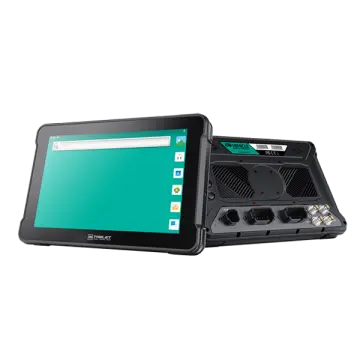 AT-10A
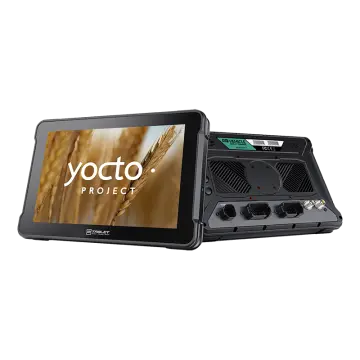 AT-10AL
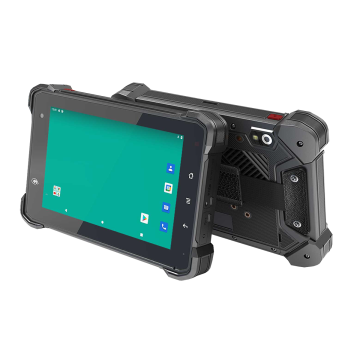 VT-7 GA/GE
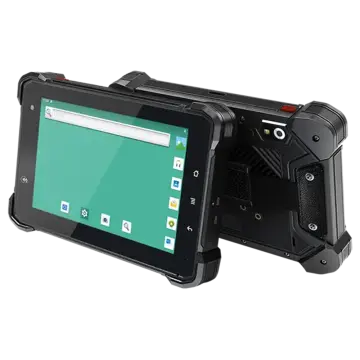 VT-7 Pro
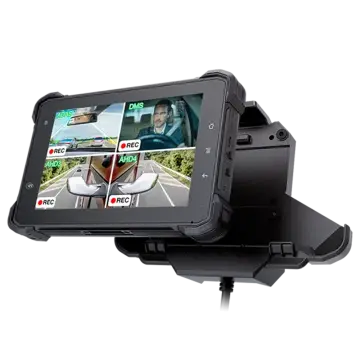 VT-7 PRO (AHD)
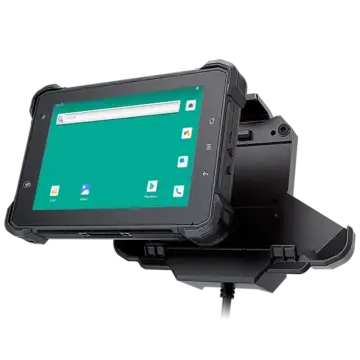 VT-7A
VT-7A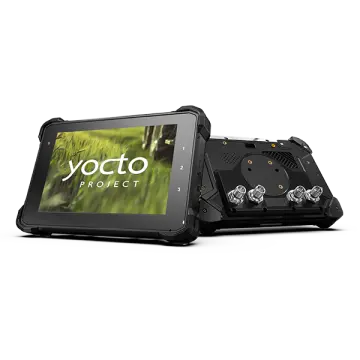 VT-7AL
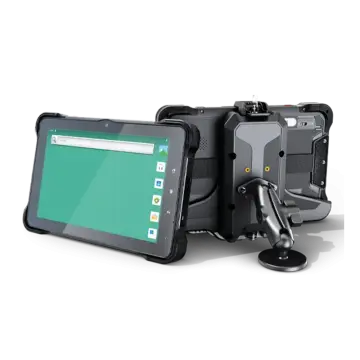 VT-10
VT-10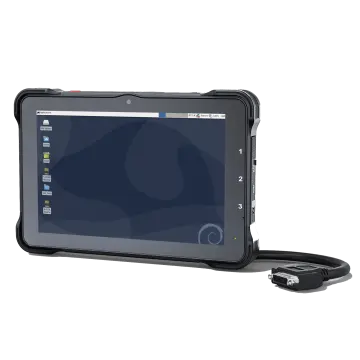 VT-10 IMX
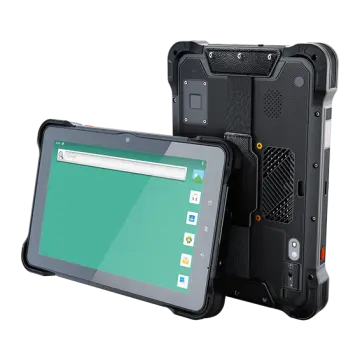 VT-10 Pro
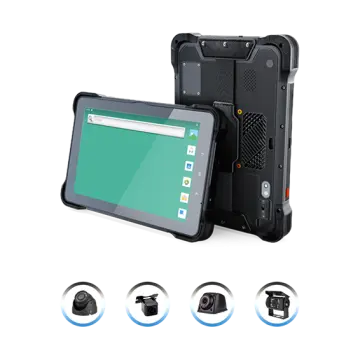 VT-10 Pro AHD
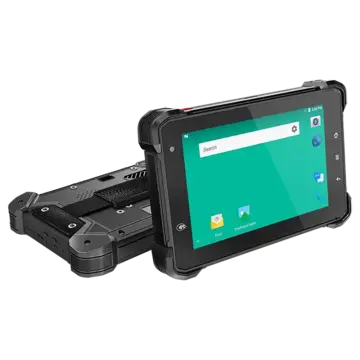 VT-7
VT-7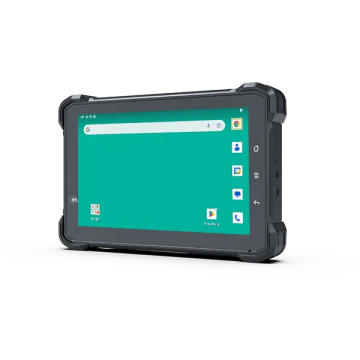 VT-7A PRO
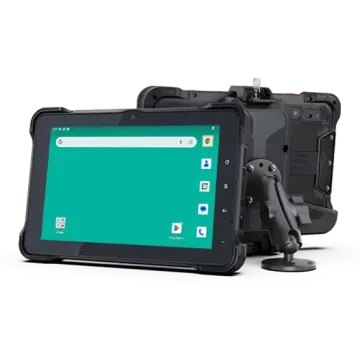 VT-10A Pro
 ST-7 Rugged Table
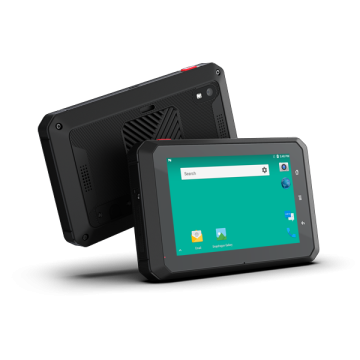 VT-5A
VT-5A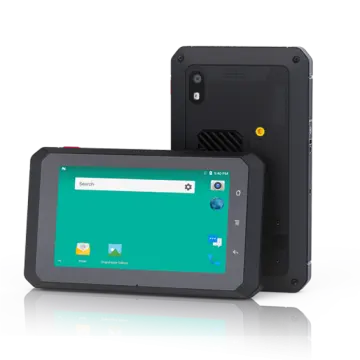 VT-5
VT-5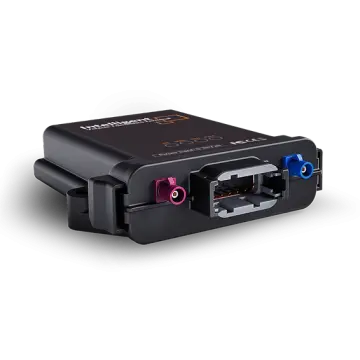 VT-BOX
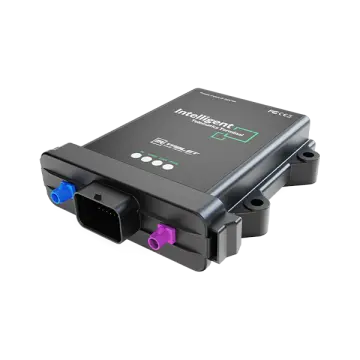 VT-BOX-II
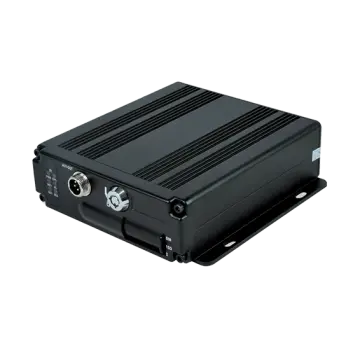 AI-MDVR040
 AT-B2
AT-B2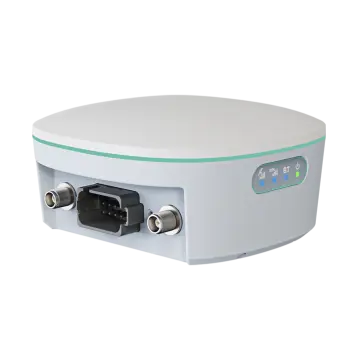 AT-R2
AT-R2