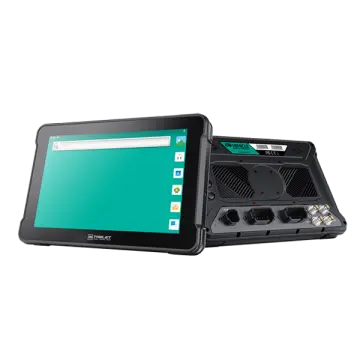
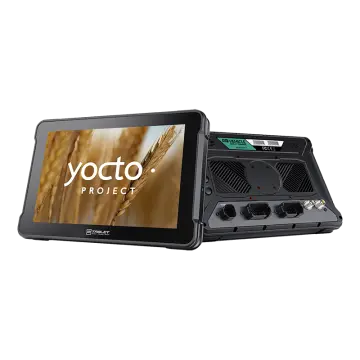
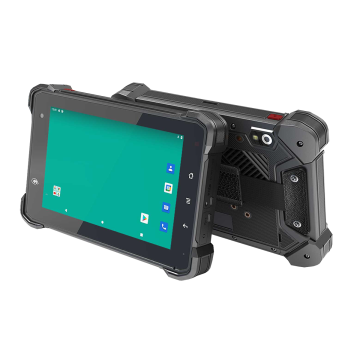
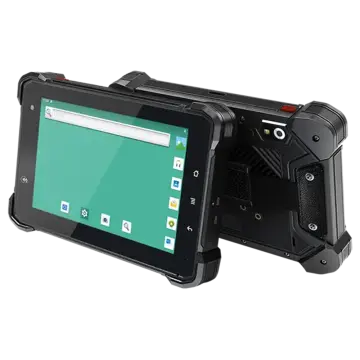
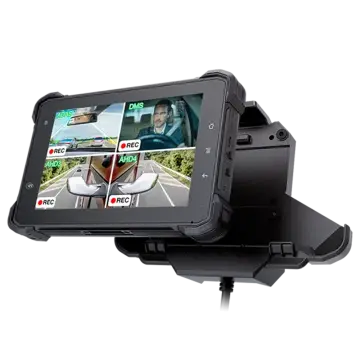
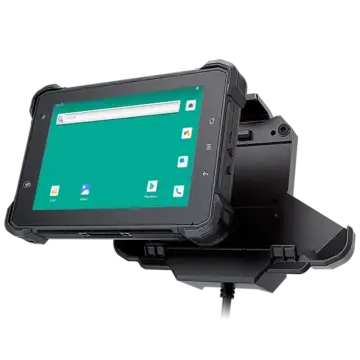
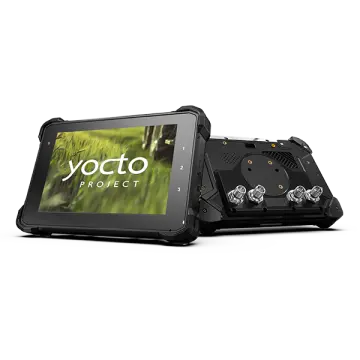
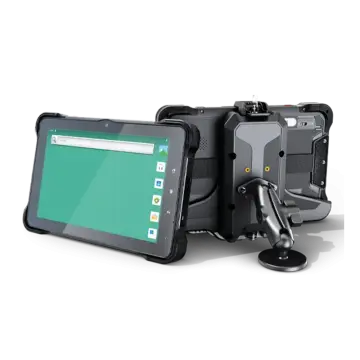
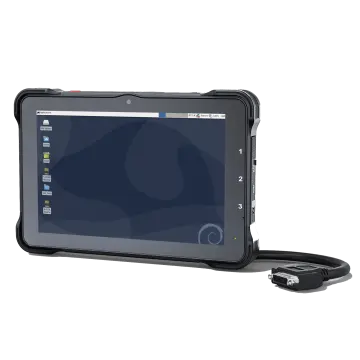
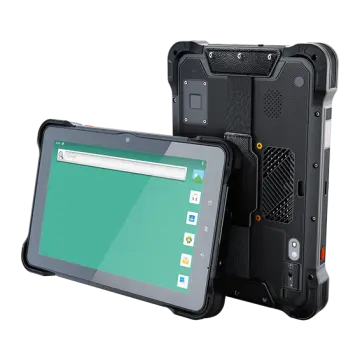
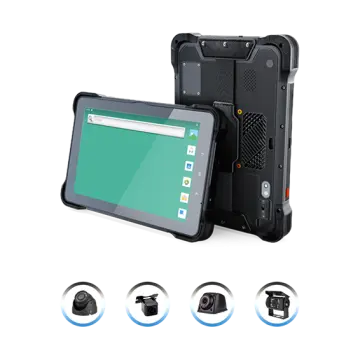
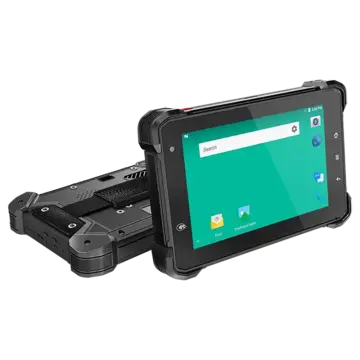
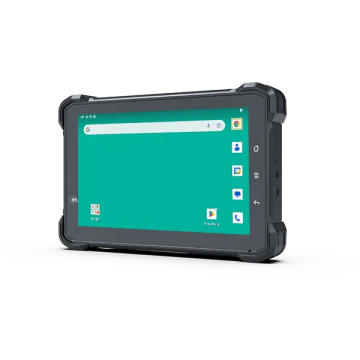
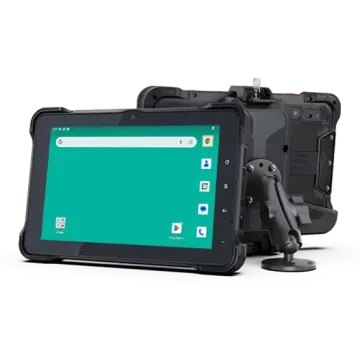
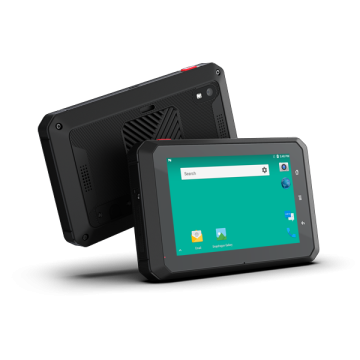
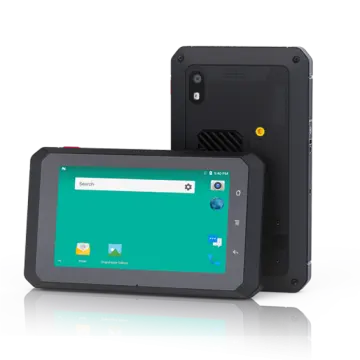
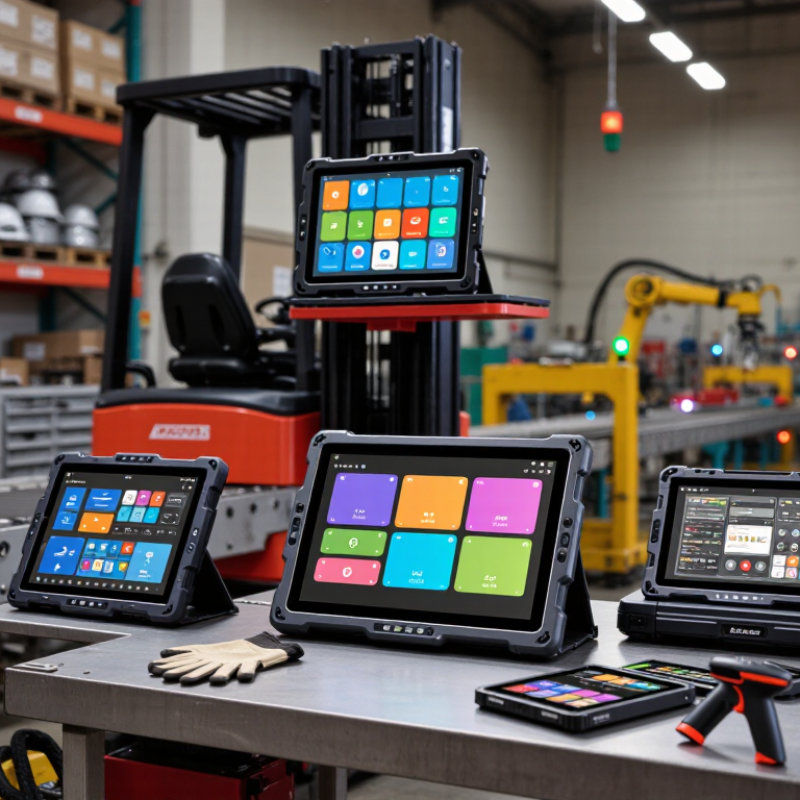
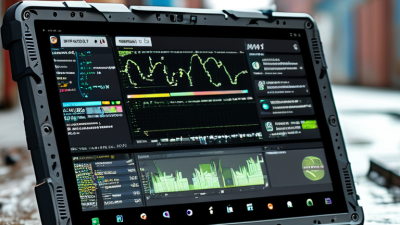
Choosing a China-based industrial tablet maker is less about a “top” claim than a fit for the work. An Industrial Tablet Android may sit beside a production line, mount on a forklift, or travel through a warehouse. In each setting, screen brightness, glove response, mounting points, ports, and battery access can affect daily use. Small details matter. Buyers should compare protection ratings, operating-temperature ranges, drop-test conditions, Android update policies, and warranty terms for the exact model—not just the product family. A high IP rating alone does not prove suitability for every washdown or chemical exposure. Datasheets can be polished. Gaps still happen.
This overview introduces notable China-based suppliers and practical questions to ask before requesting samples or quotations. It considers product range, customization, production and quality-control practices, certification documents, lead times, and after-sales support. These checks are useful, but they cannot replace testing. Request a sample unit, confirm the Android version and security-update commitment in writing, and test wireless performance at the intended site. Check barcode scanners, docking accessories, and spare-part availability when they are essential to the workflow. One manufacturer may offer an attractive price but limited long-term support; another may be a better fit despite a higher initial cost. There is no universal winner. Compare verified model-level details and service capabilities against your actual operating conditions before deciding.
An industrial Android tablet is defined by how reliably it works where ordinary consumer devices struggle. Think of a warehouse floor: dust settles near the loading bay, gloves make small buttons awkward, and workers need to read the screen under bright lights. A suitable device combines a reinforced enclosure, a responsive touch display, and controls that remain usable with gloves. Toughness matters. But a rugged shell alone does not make a tablet industrial.
The operating system and hardware must also support daily work. Stable Android software, manageable security updates, and dependable wireless connections help teams use inventory, inspection, or maintenance applications. Useful details include a bright display, a replaceable battery, and ports or docking options that fit the workflow. These features should be verified in realistic conditions, not accepted from a specification sheet alone. A device can claim a wide operating-temperature range, yet still perform poorly when mounted beside a warm machine.
Long-term serviceability is easy to overlook. Check whether batteries, accessories, and technical support will remain available through the expected service life. Also consider mounting points, cleaning routines, and how quickly staff can learn the interface. There is a trade-off: extra protection can add weight, and not every workplace needs the highest rating. The right tablet is the one whose tested features match actual hazards and tasks, even if that means admitting a planned setup needs adjustment.
Industrial Android tablets must survive more than office use. On a factory floor, vibration, dust, oil, and gloved hands are routine challenges. A sealed enclosure with an IP65 or higher rating can resist dust and water jets, while a readable, high-brightness display helps operators check work orders under harsh lighting. Touchscreens should respond to gloves and remain usable when damp. Small details matter: a charging port exposed to grit can become a failure point.
Connectivity and supportability matter just as much. Look for stable Wi-Fi roaming, Bluetooth for scanners, and mobile-network options where coverage allows. Replaceable batteries can keep a shift moving. Secure Android updates, device-management tools, and clear repair procedures reduce avoidable downtime. Deloitte’s 2024 Smart Manufacturing Survey found that 86% of surveyed executives expect smart manufacturing solutions to be important drivers of competitiveness over the next five years. That makes dependable data capture essential, not decorative. Still, adding more wireless features can increase setup complexity.
Check environmental claims against test methods, not marketing language alone. IEC 60529 defines IP enclosure ratings, but an IP rating does not prove resistance to drops, chemicals, or temperature swings. Ask for test conditions and confirm they match the actual site. A tablet may pass a lab test and still fail after repeated cart impacts. No device is indestructible. Real-world trials are worth the extra time.
Ingress Protection (IP) ratings describe protection against dust and water. The chart shows the protection digit for each rating; digits are code levels, not a linear measure of overall ruggedness.
For demanding field use, IP65 or higher is a common requirement to evaluate: IP6X indicates dust-tight protection, while IPX5 indicates protection against water jets. Check the applicable test conditions and the complete device specification before selection.
China’s industrial Android tablet manufacturers range from rugged-device specialists to OEM/ODM suppliers building custom hardware. Their products commonly serve warehouse picking, factory-floor inspection, vehicle dispatch, and field maintenance. Look closely at the details: glove-compatible touchscreens, readable displays under strong lighting, sealed ports, drop resistance, and replaceable batteries. These features matter more than a polished product photo.
The wider tablet market provides context, but not a direct measure of industrial demand. IDC reported 147.6 million worldwide tablet shipments in 2024, up 9.2% year over year. China’s National Bureau of Statistics reported a 5.8% increase in industrial value added among large industrial enterprises that year. Neither figure isolates industrial Android tablets, so treat them as background indicators, not proof of category growth. That distinction matters. When comparing suppliers, request test conditions for ingress protection, operating temperature, and drop ratings. Confirm Android update commitments, spare-parts availability, and support for required peripherals. A low-cost sample may work well on a clean bench, yet fail after repeated vibration or long shifts. Supplier claims deserve verification; public data on this niche remains limited, and procurement comparisons can be imperfect.
Choosing an industrial Android tablet manufacturer starts with the worksite, not the catalog. Deloitte and MAPI’s 2024 Smart Manufacturing Survey found that 86% of surveyed manufacturing executives expect smart manufacturing to strengthen competitiveness within five years. That expectation prompts practical questions. Can the tablet hold a Wi-Fi connection beside machinery? Does its touchscreen work with gloves? Can staff replace the battery mid-shift? Ask for the test methods behind IP ratings, drop claims, and operating-temperature ranges. A number without test conditions is weak evidence. Small detail, big difference.
Compare processor, memory, Android update policy, security patch support, and ports against the actual workflow. IDC’s Worldwide Edge Spending Guide projected global edge-computing spending would reach $232 billion in 2024. That forecast does not prove a particular tablet will run a plant application reliably. Request a sample unit and repeat the same checks: scan barcodes in poor light, reconnect after network loss, and record battery life at the brightness used on site. Ask how long accessories, spare parts, and repairs will remain available. I would not choose from a spec sheet alone. Real shifts are messier than demonstrations.
China Top Industrial Android Tablet Manufacturers?
Factors to Consider When Choosing a Supplier
Choosing a supplier means checking more than screen size and processor speed. Ask for the exact Android version, security-update period, and written product-life-cycle policy. Can the supplier provide replacement batteries and parts three years later? Get that answer in writing. A neat specification sheet can still mislead.
Test a sample in the actual workplace. Check touch response with gloves, screen visibility under bright factory lights, and grip after a damp shift. Confirm the stated IP rating against IEC 60529 and request test documentation. Also review operating-temperature limits, vibration resistance, charging options, and repair turnaround. Small details matter. A loose charging port can stop a whole shift.
Supplier support deserves equal scrutiny. Deloitte and MAPI’s 2024 smart-manufacturing survey found that 86% of manufacturing executives viewed smart manufacturing as a competitiveness driver over the next five years. Connected equipment needs dependable devices and practical support. Security is part of that decision: IBM’s 2024 X-Force Threat Intelligence Index reported that manufacturing accounted for 25.7% of observed cyber incidents in 2023. Ask how updates are delivered, how vulnerabilities are handled, and whether devices support secure configuration. Compare documented service response times with your production schedule. Do not assume every claim has been independently verified; some suppliers make it difficult to check.
| Evaluation Dimension | What to Verify | Practical Screening Criteria | Why It Matters |
|---|---|---|---|
| Android OS and updates | Android version, security-patch policy, upgrade path, and support period for the exact tablet configuration. | Request a written update and end-of-support commitment; confirm whether updates can be tested before deployment. | OS support affects application compatibility, security maintenance, and the usable service life of deployed devices. |
| Ruggedness and ingress protection | Ingress-protection rating, drop-test conditions, enclosure materials, port covers, and evidence for the offered configuration. | Set the required IP rating and drop height from the actual work environment. Check reports against IEC 60529 for IP ratings; review test conditions rather than relying on a label alone. | Dust, water, and impact resistance depend on the complete device design and the conditions under which it was tested. |
| Operating temperature | Specified operating and storage temperature ranges, including any limits on charging or battery use. | Compare the datasheet range with the site’s measured ambient conditions; request test details for operation at temperature extremes. | A broad temperature claim may not apply equally to the display, battery, charging, and all device functions. |
| Display and touch performance | Screen size and resolution, brightness, viewing angles, glove or wet-touch support, and compatibility with a screen protector. | Set a brightness requirement based on indoor or outdoor use, then test readability and touch accuracy in the intended lighting and with users’ gloves. | A display suited to a warehouse may not remain readable or responsive in direct sunlight, rain, or cold conditions. |
| Wireless connectivity | Wi-Fi standards and bands, Bluetooth version, cellular bands and modem options, GNSS, and antenna configuration. | Match supported cellular bands to the target country and carrier; verify Wi-Fi coverage and roaming behavior at the deployment site. | Radio availability and performance vary by region, network, antenna design, and installation environment. |
| Interfaces and expansion | USB, serial, Ethernet, charging, docking, expansion connectors, and support for peripherals such as scanners or vehicle mounts. | Create a port-and-peripheral checklist; test the required accessories on the production-intent tablet and dock. | Connector type, pinout, power delivery, and accessory compatibility can differ between tablet configurations. |
| Battery and charging | Battery capacity, replaceability, runtime test conditions, charging time, spare-battery availability, and battery sourcing. | Request runtime results using a workload similar to yours; confirm battery replacement procedures and long-term spare availability. | Actual runtime changes with screen brightness, wireless use, workload, temperature, and battery age. |
| Certifications and market compliance | Applicable radio, electrical-safety, electromagnetic-compatibility, and hazardous-substance requirements for the destination market. | Confirm which approvals are required for the target country and obtain documents that identify the exact model and radio configuration. | Requirements differ by market and product configuration; a certificate for one variant may not cover another. |
| Quality control and traceability | Factory quality processes, incoming and final inspection, serial-number traceability, defect handling, and corrective-action procedures. | Ask for sample inspection records and agree on acceptance criteria, defect reporting, and corrective-action timelines before production. | Defined, traceable processes make it easier to identify and address issues across production batches. |
| Customization and engineering support | Options for firmware, branding, connectors, peripherals, mounting, and application integration, plus engineering ownership after launch. | Document requested changes, engineering responsibilities, validation steps, and any effect on certification, lead time, or future updates. | Custom changes can affect compatibility, compliance, production schedules, and support for later hardware revisions. |
| Warranty and repair service | Warranty duration and exclusions, repair location, turnaround expectations, spare parts, and replacement procedures. | Obtain the full warranty terms and agree on a practical repair or replacement process for the countries where devices will be used. | Service access and parts availability can have a direct effect on device downtime and total ownership cost. |
| Supply continuity and commercial terms | Minimum order quantity, production and shipping lead times, component-change notification, payment terms, and end-of-life planning. | Request written lead-time assumptions and change-control terms; evaluate sample, pilot, and volume-production stages separately. | Availability and delivery schedules depend on configuration, order volume, components, and shipping arrangements. |
| Supplier verification | Legal entity, manufacturing or sourcing role, production capability, references, sample quality, and consistency between sample and production unit. | Verify business documentation, evaluate a representative sample, and define a pilot order with measurable acceptance checks. | Independent checks help clarify who is responsible for design, production, quality, and after-sales support. |

Note: Screening criteria are prompts for supplier evaluation, not claims about any specific manufacturer or product. Confirm all specifications and compliance documents for the exact model and target market.