The global waste management industry is undergoing a massive paradigm shift. Rapid urbanization, population growth, and increasing consumption rates are driving municipal solid waste (MSW) generation to unprecedented levels. According to global environmental reports, annual waste generation is expected to surge to 3.4 billion metric tons by 2050. This staggering volume places immense pressure on municipal authorities and private waste collection enterprises to modernize their operational infrastructure.
Historically, waste collection has been a highly analog and inefficient sector. Routes were planned on paper, drivers relied on local knowledge, and fleet managers had little to no real-time visibility into the status of their vehicles. This traditional approach resulted in significant commercial bottlenecks: excessive fuel consumption due to inefficient routing, missed bin collections leading to customer complaints, high vehicle wear-and-tear, and severe safety risks for drivers operating massive, complex machinery in tight urban environments.
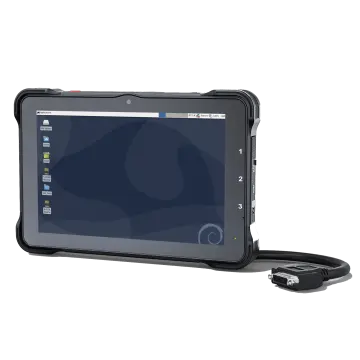
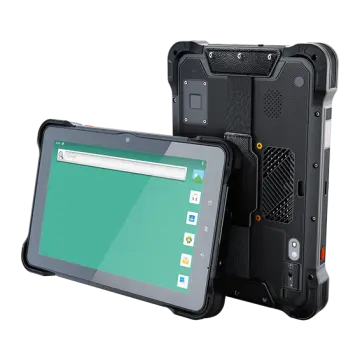
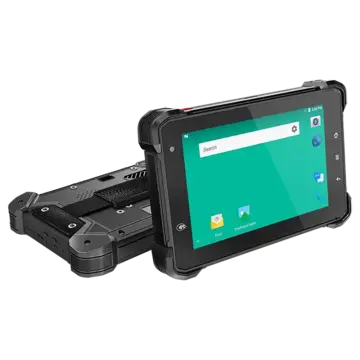
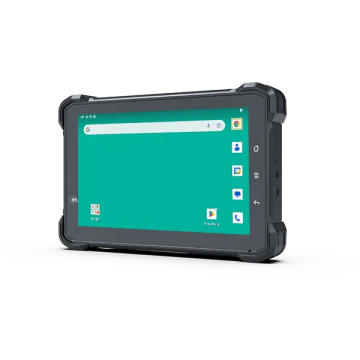
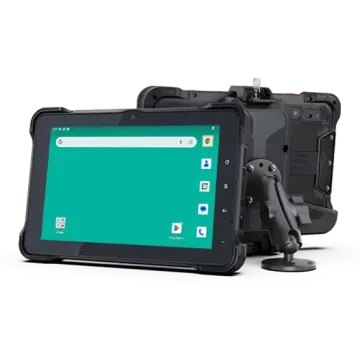
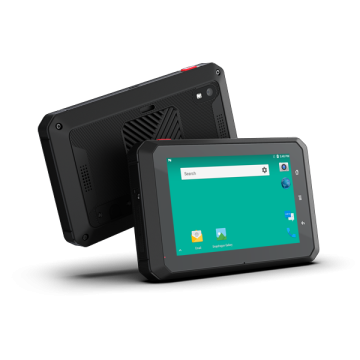
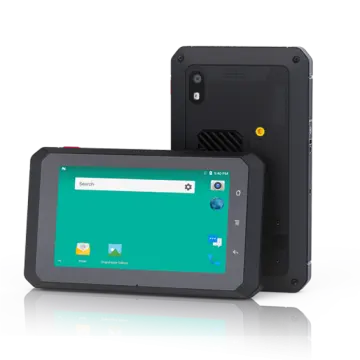
Today, the industry is transitioning into the era of Smart Waste Management. The integration of the Internet of Things (IoT), advanced telematics, and real-time data analytics has become a commercial necessity rather than a luxury. Fleet operators are under strict mandates to reduce carbon footprints, optimize operational expenditures (OpEx), and comply with stringent environmental and safety regulations. At the very heart of this digital transformation is the in-cab computing system—specifically, the Rugged Tablet Android for Waste Management.
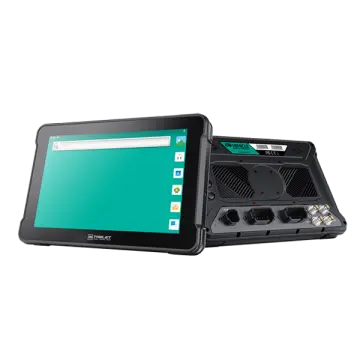
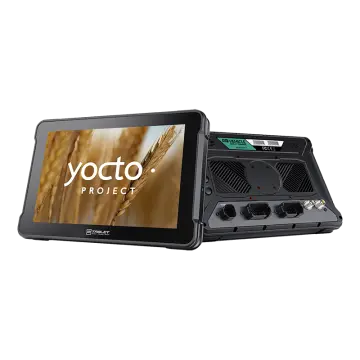
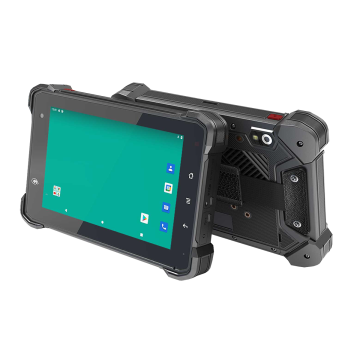
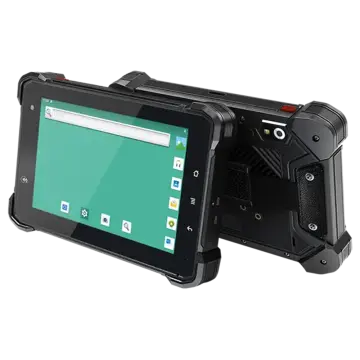
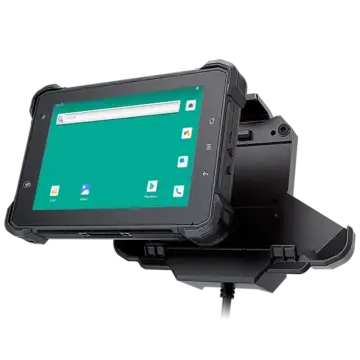
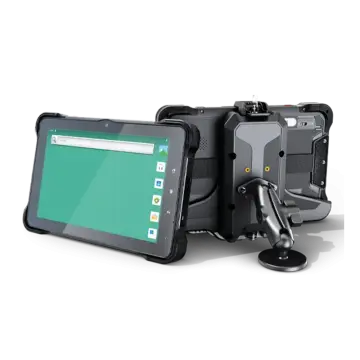
Deploying consumer-grade tablets or smartphones in a waste collection vehicle is a recipe for catastrophic hardware failure. The cab of a garbage truck is one of the most punishing industrial environments imaginable. Devices are subjected to constant, high-frequency vibrations from heavy-duty diesel engines and hydraulic compactors. They are exposed to extreme temperature fluctuations, airborne dust, dirt, and potential liquid spills. This is why purpose-built rugged tablets are indispensable.
A true rugged tablet designed for waste management meets rigorous military standards (MIL-STD-810G) for shock, vibration, and drop resistance. Furthermore, they boast IP67 or IP69K ratings, meaning they are completely sealed against dust ingress and can withstand high-pressure water jets—essential for vehicles that undergo frequent, intensive cleaning. The robust physical design ensures that the digital lifeline between the driver and the dispatch center remains unbroken, regardless of the environmental conditions.
While durability addresses the physical challenges, the Android operating system provides the software foundation necessary for modern fleet management. Android's open-source architecture allows waste management companies and telematics solution providers to easily develop, deploy, and update custom applications. From proprietary routing software to third-party fleet management tools, the Android ecosystem supports seamless integration.
Moreover, Android rugged tablets often come certified with Google Mobile Services (GMS) and support robust Mobile Device Management (MDM) platforms. This allows IT administrators to remotely lock down devices (Kiosk Mode) to prevent driver distraction, push over-the-air (OTA) software updates, and monitor device health across a fleet of hundreds of trucks simultaneously.
The integration of a rugged Android tablet into a waste management vehicle transforms the truck from a simple collection tool into a sophisticated, data-gathering node within a smart city network. Let's explore the depth of its applications:
Waste collection routes are rarely static. Road closures, traffic congestion, and urgent ad-hoc pickup requests require real-time adaptability. Rugged Android tablets interface with cloud-based dispatch systems to provide drivers with dynamically optimized, turn-by-turn navigation. This ensures that drivers take the most fuel-efficient paths, reducing mileage and emissions. Furthermore, high-precision GPS (and RTK technologies) ensures that drivers are guided to the exact coordinates of specific dumpsters or residential bins, virtually eliminating the costly issue of missed collections.
Disputes over missed pickups are a major pain point in municipal waste management. Rugged tablets solve this through automated "Proof of Service." By integrating the tablet with RFID readers mounted on the truck's mechanical arms, the system automatically logs when a specific RFID-tagged bin is lifted and emptied. This data—combined with exact GPS coordinates and a precise timestamp—is instantly transmitted to the central billing system. If a bin is blocked by a parked car, the driver can use the tablet's high-resolution camera to snap a photo, instantly documenting the reason for the skipped service and protecting the company from unwarranted complaints.
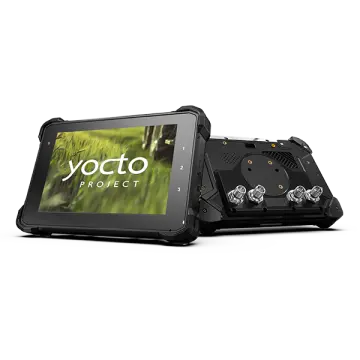
Modern rugged tablets feature rich I/O interfaces, including RS232, RS485, and CAN bus ports. By connecting directly to the garbage truck's onboard diagnostics (OBD-II/J1939), the tablet continuously monitors critical vehicle health metrics: engine temperature, hydraulic pressure, fuel consumption, and brake wear. This data is processed and sent to fleet managers, enabling a shift from reactive repairs to predictive maintenance. Fixing a minor hydraulic anomaly before it results in a catastrophic compactor failure saves thousands of dollars in downtime and repair costs.
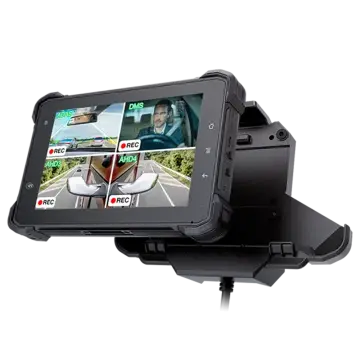
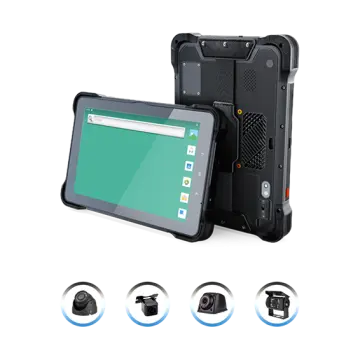
Garbage trucks have massive blind spots, making them hazardous in densely populated residential areas. Advanced rugged tablets serve as the central hub for multi-channel AHD (Analog High Definition) camera systems. Drivers can view real-time feeds from the rear, sides, and hopper of the truck directly on the tablet's high-brightness display. Additionally, AI-powered dashcams integrated with the tablet can monitor driver behavior, detecting signs of fatigue, smoking, or smartphone usage, triggering immediate in-cab alerts and logging the event for safety training.
The days of paper logbooks are over. Rugged Android tablets facilitate a completely paperless workflow. Drivers perform their pre-trip and post-trip Digital Vehicle Inspection Reports (DVIR) directly on the touchscreen. For long-haul waste transfer trucks, the tablets seamlessly run Electronic Logging Device (ELD) applications to ensure strict compliance with Hours of Service (HOS) regulations, preventing heavy fines and ensuring drivers are not overworked.
The evolution of the rugged tablet Android for waste management is accelerating alongside broader technological megatrends. The rollout of 5G networks will enable ultra-low latency communication between the truck, smart city infrastructure, and the cloud. This means high-definition video feeds from multiple trucks can be analyzed in real-time by central AI servers.
Furthermore, Edge AI computing is being integrated directly into the tablet hardware. Future iterations will be capable of locally processing video feeds from the hopper to automatically identify hazardous materials, recyclables mixed with general waste, or illegal dumping, alerting the driver instantly without relying on cloud connectivity.
Ultimately, these rugged intelligent terminals are the linchpin in the global push towards "Zero-Waste" and the circular economy. By maximizing collection efficiency, ensuring the safety of operators, and providing granular data on waste generation patterns, rugged Android tablets are helping municipalities and private enterprises build cleaner, greener, and more sustainable cities for the future.
3Rtablet is a globally leading rugged tablet manufacturer.
Technology-based, market-oriented, innovative enterprise that develops and manufactures rugged Internet of Vehicles (IOV) terminals and IOT system solutions. With more than 18 years of professional experience, 3Rtablet has cooperated with many top brand telematics solution providers around the world, and the products are widely recognized for their stable performance and professional technical support.
The main products include IP67 rugged tablets, MDM Rugged Device, Intelligent Vehicle Telematics Terminal, and RTK Base Station and Receiver, On-board Computers, Mobile Data Terminal, Agriculture display, Vehicle-mounted Tablets, AHD Camera Integrated Tablets, IP67/IP69K Android telematics boxes, MDVR and Al Dashcam. Al algorithmic vehicle video surveillance and recording technology and comprehensive loT solutions for a wide range of fleet management application, including ELD/HOS in trucks, construction equipment, mining, forklift safety, taxi dispatch, agriculture precision, intelligent transportation systems, etc. Offering OEM/ODM services, we customize products to meet specific needs.

3Rtablet R&D team with more than 18 years field experience to do technical support, and has been ready to support you in building professional solutions in specific markets.

3Rtablet has served customers among more than 70 countries in the North America, Europe, Latin America, Oceania, Africa, and the Asia Pacific region.

Fleet Management, Precision Agriculture, Mining, Taxi Dispatch, Forklift Safety, Construction, Public Transportation, Heavy Machinery & Trucks, Crane, Waste management, Vehicle tracking’s and Emergency Response Solutions etc.

3Rtablet's Hardware devices are mainly powered by NXP, Qualcomm, TI solutions, Functional requirements, Hardware test-bed evaluation, Schematic diagram design, Brand requirements for more requirements, please refer to OEM/ODM service.
3Rtablet follows innovative technologies, complete solutions, friendly products, excellent quality, and professional services to continuously improve product quality and customer satisfaction, delivering customers with Rugged, Reliable, and Ready Internet of Vehicle (IOV) devices. 3Rtablet has three core values at the heart of its operation: We are ‘Sincere’, we ‘Share’ and always strive for ‘Success’ with our business partners.