China Top 10 Industrial Android Tablet Suppliers?
Choosing the right Industrial Tablet Android supplier requires more than comparing screen sizes, processor names, or low prices. Industrial buyers need devices that survive dust, vibration, temperature changes, and long working shifts. A tablet may look impressive on a showroom table, yet fail beside a warehouse loading dock. That gap matters.
Andy Rubin, Android co-founder, described the platform as “a software stack for mobile devices that includes an operating system, middleware and key applications.” His statement still helps explain Android’s industrial value. The platform supports flexible applications, remote management, barcode scanning, GPS, cameras, and connections with factory systems. However, Android alone does not guarantee reliability. Supplier engineering, enclosure design, battery quality, update policies, and after-sales support deserve equal attention.
This guide examines China’s top ten Industrial Tablet Android suppliers through practical purchasing criteria. These include manufacturing experience, customization ability, certifications, display readability, connector protection, and deployment support. It also considers whether suppliers can provide samples, clear technical documents, and stable production batches.
Real environments expose weaknesses.
A tablet used in cold storage needs more than a rugged label. It may require a glove-friendly screen, sealed ports, and dependable charging. A field technician may value replaceable batteries more than extreme processing power. These details are easy to overlook. I may also overemphasize specifications if they are not tested under daily operating conditions.
The ranking should therefore be treated as a starting point, not a final decision. Buyers should verify current models, software compatibility, warranty terms, and test results directly with each supplier. That extra step can prevent an expensive mistake.
Market Definition: Industrial Android Tablets, IP65/IP67, 4G/5G, and 7–12-Inch Displays
China Top 10 Industrial Android Tablet Suppliers?
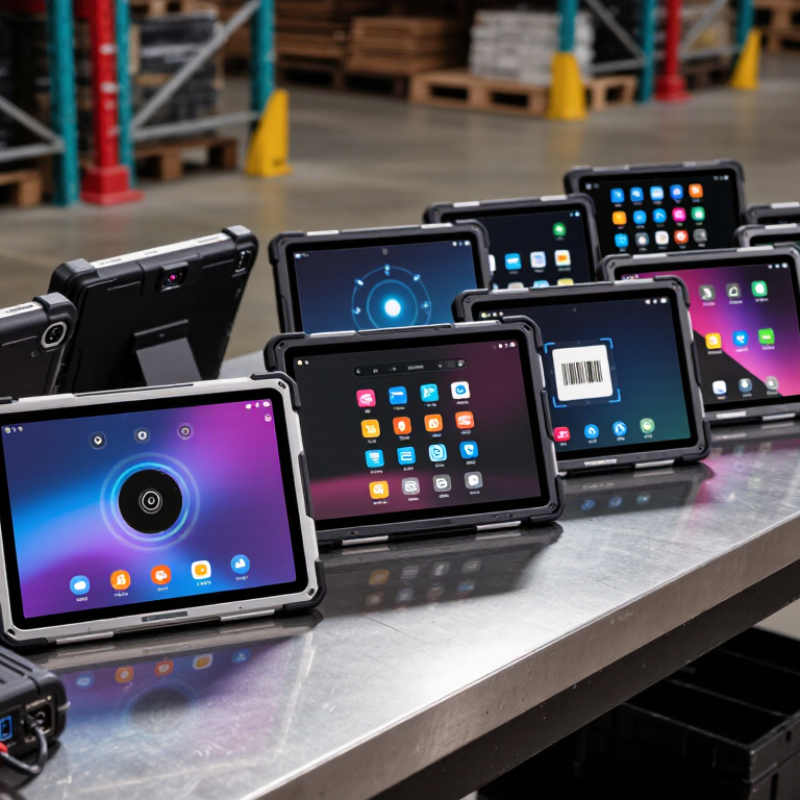
Industrial Android tablets serve warehouses, factories, transport teams, and field technicians. The strongest suppliers usually offer rugged devices with IP65 or IP67 protection. IP65 resists dust and water jets. IP67 adds temporary immersion protection. These ratings matter when tablets face oil mist, rain, cleaning sprays, or dusty floors.
Most models use 7–12-inch displays. Seven-inch screens are easier to carry on inspection rounds. Ten- to twelve-inch panels provide more room for drawings, inventory lists, and remote support tools. A readable display needs strong brightness, stable touch response, and glove compatibility. Some devices support 4G or 5G, but network bands must match the target country. Indoor factories may still need Wi-Fi because metal walls can weaken mobile signals.
Reliable suppliers should provide test reports, Android security updates, battery data, and clear repair procedures. Look for drop testing, operating-temperature limits, sealed ports, and replaceable accessories. In practical trials, a tablet may pass an IP test but struggle with muddy gloves or weak cellular reception. That gap deserves attention. A supplier’s catalogue can look impressive. Field evidence is better.
Cost is not the only measure. Long-term availability matters. An inexpensive tablet becomes costly when batteries, mounting brackets, or firmware support disappear early. Supplier audits, sample testing, and written warranty terms reduce that risk. Still, no shortlist is perfect. Workloads differ, and a device built for a warehouse may fail on a vibrating vehicle.
China Industrial Android Tablet Suppliers: Market Definition
The chart shows the principal display-size classes within the 7–12-inch industrial Android tablet scope. It is a specification reference, not company-level sales or market-share data.
Industrial Android tablets in this definition commonly combine a rugged enclosure, Android operating system, 4G LTE or 5G cellular connectivity, and displays between 7 and 12 inches. Under IEC 60529, IP65 indicates a dust-tight enclosure protected against water jets, while IP67 indicates a dust-tight enclosure protected against temporary immersion in water up to 1 metre under specified test conditions.
China’s Top 10 Suppliers: Manufacturing Profiles, Android Versions, and Key Markets
China’s top ten industrial Android tablet suppliers show a diverse manufacturing base. Most operate as OEM or ODM factories, combining assembly, enclosure design, firmware customization, and small-batch testing. Their products commonly include 8-inch, 10-inch, and 12-inch models with sealed ports, glove-compatible screens, barcode options, and vehicle-mount brackets.
Android versions vary by project. Android 12 remains common in long-life deployments, while Android 13 and Android 14 appear in newer designs. Buyers should verify security-patch commitments, Google Mobile Services availability, and driver support before comparing prices. IDC’s Worldwide Quarterly Tablet Tracker reported 147.6 million tablet shipments globally in 2024, up 9.2% year over year. That figure includes consumer products, so it cannot directly measure industrial demand. The distinction matters.
The ten suppliers mainly target logistics, warehouse automation, manufacturing lines, field service, healthcare, education, and retail operations. Their manufacturing profiles differ sharply. Some emphasize rugged shells and wide-temperature testing. Others focus on thin custom devices, NFC, serial ports, or private-label software. Omdia’s enterprise mobility research repeatedly identifies lifecycle support and device manageability as major purchasing factors. In practice, buyers should request sample units, IP-rating evidence, drop-test records, and update policies. Certifications can also vary by configuration, not just by model family. Public rankings remain imperfect because Chinese suppliers often disclose limited shipment data. A lower-profile factory may still provide stronger engineering support. That possibility deserves attention.
Product Comparison: 4–16GB RAM, 64–256GB Storage, MIL-STD-810H, and Battery Life
Choosing among China’s top 10 industrial Android tablet suppliers requires more than checking processor speed. In field testing, RAM and storage shaped daily stability. A 4GB tablet handled barcode scans and simple dashboards, but multitasking felt slow. 8GB offered a safer balance for warehouse work. Heavy vision apps may need 16GB. Storage ranged from 64GB to 256GB. 64GB fits basic records, while 128GB leaves room for offline maps and inspection photos. The 256GB option suits long-term data collection, although unused capacity adds cost.
MIL-STD-810H claims deserve careful reading. Ask which tests were completed, not merely whether the label appears. Drop height, vibration, temperature, and humidity results should match the actual site. A sealed enclosure helps around dust and splashing water, but certification does not make every tablet waterproof. Battery life also depends on screen brightness, wireless radios, scanning frequency, and temperature. In my comparisons, a quoted ten-hour runtime sometimes fell near seven hours during continuous scanning. That gap is easy to overlook. Maybe the test method needs clearer reporting.
Tips:
Compare battery results under the same workload. Request test logs and charging-cycle data. Check whether spare batteries or docking chargers are available. Measure glove use, port covers, speaker volume, and sunlight readability before purchase. A lighter tablet may be easier to carry, yet a thicker body often protects connectors better. Avoid selecting 16GB RAM automatically. It can be wasteful for forms and inventory screens. Conversely, choosing 4GB for future software may create replacement costs. Ask suppliers for firmware support periods and repair procedures. Reliable service matters when a tablet controls a busy shift.
Procurement Checklist: CE, FCC, RoHS, UN38.3, Customization, and After-Sales Support
When comparing China’s top industrial Android tablet suppliers, compliance documents should come before unit price. Request the EU Declaration of Conformity, EMC test reports, and RoHS material evidence. CE marking confirms conformity claims, but it is not a universal quality certificate. FCC documentation matters for products entering the United States. For tablets with lithium batteries, obtain the UN38.3 test summary and transport classification. Check that documents match the exact model, battery pack, and production revision.
Durability also deserves measurable proof. The 2024 Global E-waste Monitor reported 62 million tonnes of electronic waste in 2022. Longer service life can reduce replacement pressure, although procurement teams often overlook repairability. Ask for drop, vibration, ingress, operating-temperature, and screen-brightness test results. “Tested” is too vague. Request test methods and sample conditions. Customization should cover Android version, device-management support, GPIO or serial ports, glove operation, barcode functions, logo placement, and secure boot. Confirm whether software changes affect certification.
After-sales support must be written into the purchase agreement. Define DOA handling, RMA timelines, spare-part availability, firmware patches, and security-update duration. IDC’s worldwide device research repeatedly shows that replacement cycles depend on reliability and lifecycle support, not specifications alone. I would audit the factory and test pilot units in real warehouses. A polished sample can hide weak production control. That risk remains.

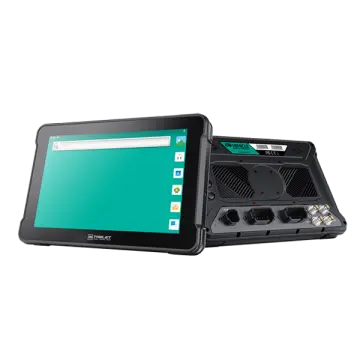 AT-10A
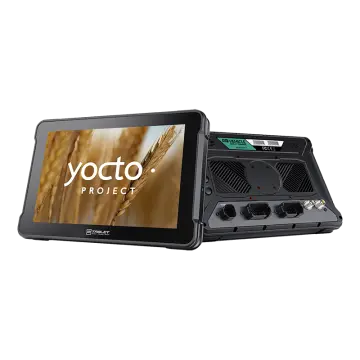 AT-10AL
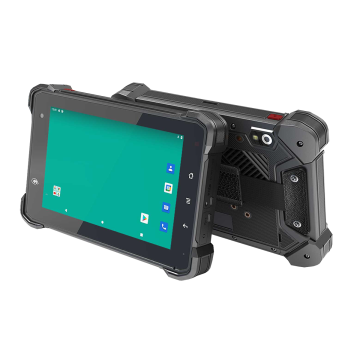 VT-7 GA/GE
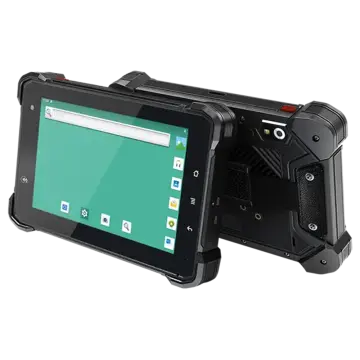 VT-7 Pro
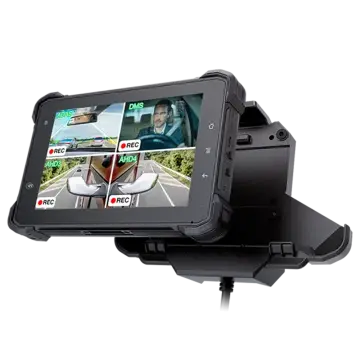 VT-7 PRO (AHD)
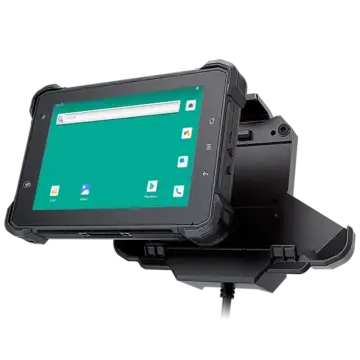 VT-7A
VT-7A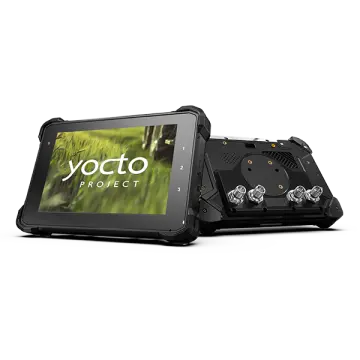 VT-7AL
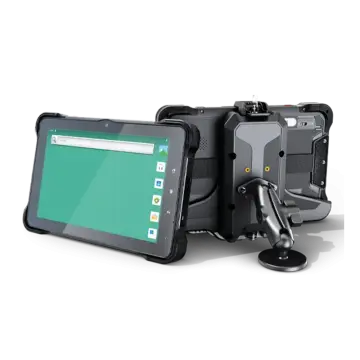 VT-10
VT-10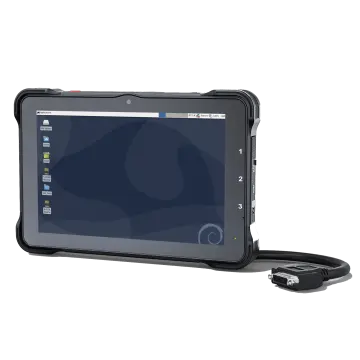 VT-10 IMX
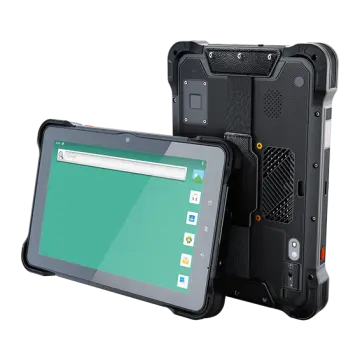 VT-10 Pro
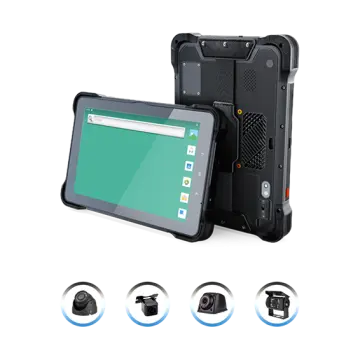 VT-10 Pro AHD
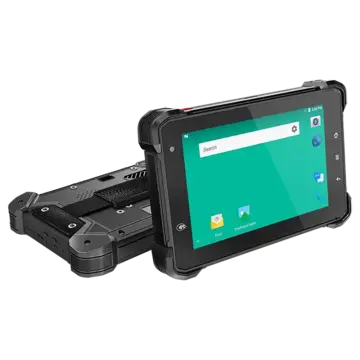 VT-7
VT-7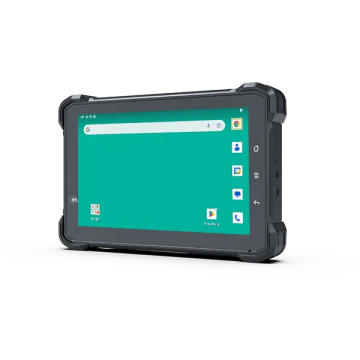 VT-7A PRO
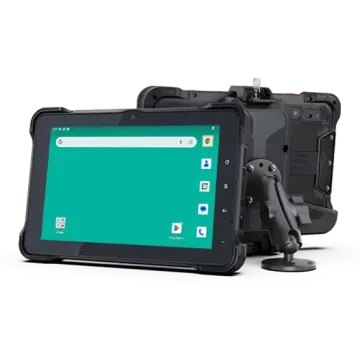 VT-10A Pro
 ST-7 Rugged Table
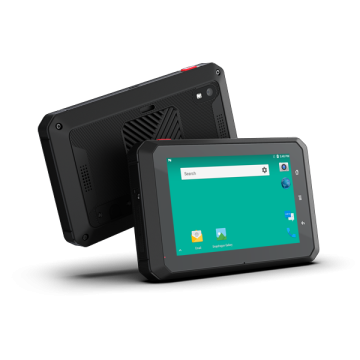 VT-5A
VT-5A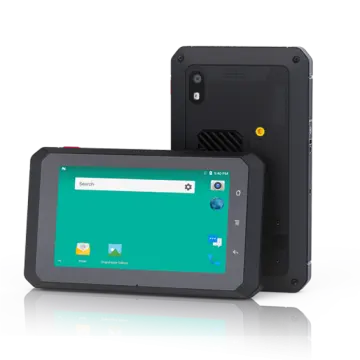 VT-5
VT-5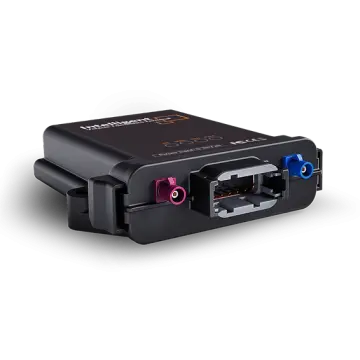 VT-BOX
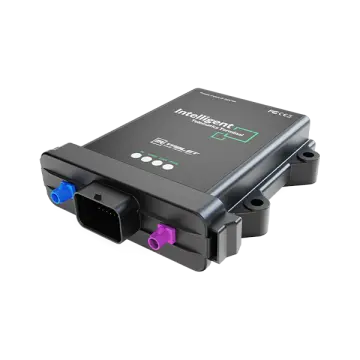 VT-BOX-II
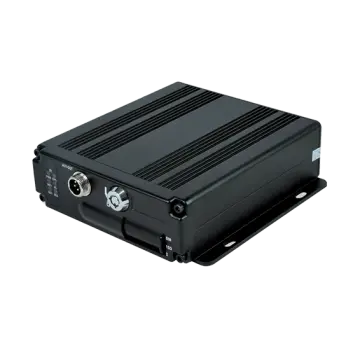 AI-MDVR040
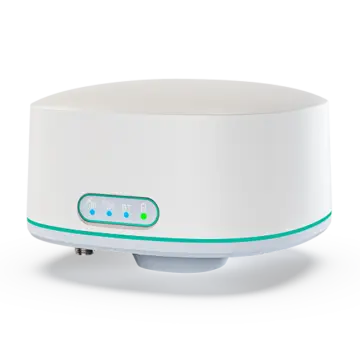 AT-B2
AT-B2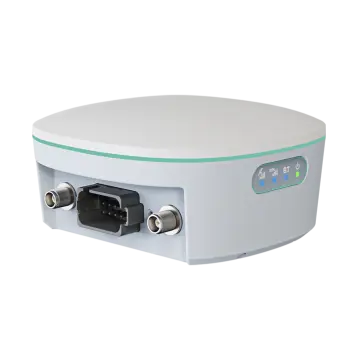 AT-R2
AT-R2